
.png)

ADHD Awareness Month: The Dopamine Seeking Loop—Why Social Media Traps the ADHD Brain

You pick up your phone to check a single text message or look up a recipe for dinner, and before you realize what has happened, forty-five minutes have vanished into thin air. Your thumb rhythmically swipes through an endless cascade of short-form videos, breaking news alerts, and notifications. You are not even enjoying the content; in fact, an undercurrent of guilt gnaws at you because important obligations sit untouched. Yet, shutting off the screen feels almost physically impossible.
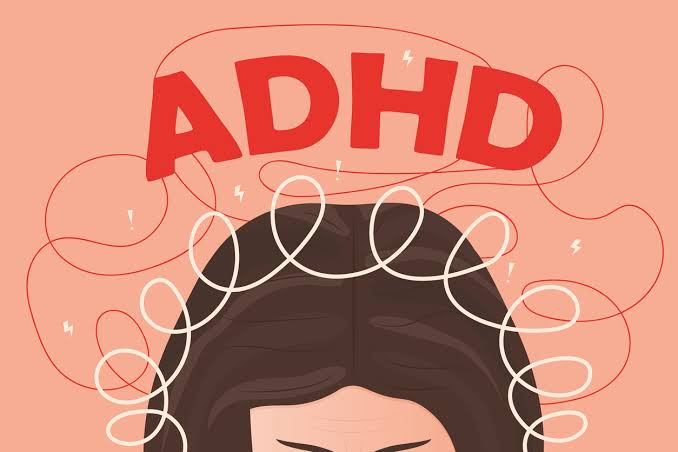
During ADHD Awareness Month this October, clinical conversations are directly confronting this modern struggle. In 2026, as digital interfaces become increasingly fine-tuned to capture human attention through predictive machine learning, adults living with Attention-Deficit/Hyperactivity Disorder are uniquely vulnerable to screen captivity. This trap is not an issue of poor self-control, moral weakness, or casual internet addiction. It is a predictable neurochemical collision between modern platform design and an under-stimulated brain desperate for baseline equilibrium.
The Algorithmic Shift: How Modern Platforms Engineered Cognitive Friction
Digital engagement has evolved drastically over the past decade. Where social media once consisted of chronological feeds from personal acquaintances, today’s platforms rely on hyper-personalized algorithms designed to maximize infinite scroll time and keep the viewer engaged.
Every micro-second of hesitation, replay, and click is cataloged to deliver unpredictable, rapid micro-rewards directly to the user. For a neurotypical individual, walking away from this content stream is relatively manageable once fatigue or external duties intervene. But for someone with an executive functioning vulnerability, these platforms create an irresistible cognitive trap. ADHD Awareness Month highlights that the modern struggle with screen dependency is not an accident—it is the direct outcome of an under-resourced nervous system interacting with technology engineered to exploit neurochemical deficits.
The Neurochemistry of the Loop: Dopamine Deficiency and Salience
To understand why the ADHD brain becomes so easily trapped, one must examine the neurotransmitter dopamine. In neurotypical brains, tonic dopamine levels remain steady, providing the baseline chemical activation needed to sit through quiet work, start laundry, or complete mundane paperwork.
In an adult with ADHD, the prefrontal cortex experiences lower baseline dopamine availability and irregular receptor sensitivity. The brain exists in a chronic state of neurochemical under-arousal, constantly seeking stimulation to reach baseline comfort. Social media platforms provide an uninterrupted flow of novel, unpredictable, high-contrast stimuli. Every swipe acts like pulling the lever of a digital slot machine—a psychological phenomenon known as a variable reward schedule. The ADHD brain is not seeking mindless entertainment; it is foraging for the dopamine it biologically lacks to feel awake.
The Paralysis of the Infinite Scroll: Breaking the Initiation Barrier
The most debilitating aspect of this behavioral loop is not the initial decision to open an application; it is the inability to disengage. In ADHD diagnostics, this is known as a transition deficit.
Shifting attention from a high-dopamine environment (an algorithmic feed) to a low-dopamine environment (a blank spreadsheet, a pile of dishes, or preparing for bed) requires a massive surge of executive effort from the prefrontal cortex. Because the ADHD brain cannot easily summon that activation energy on demand, it stalls. The individual remains physically frozen in place, swiping through content long after the experience has ceased to be pleasurable, simply because the cognitive cost of transitioning away feels insurmountable.
ADHD Awareness Month: Internalizing a Neurobiological Trap
Because society routinely frames screen time as a basic test of self-discipline, adults trapped in the dopamine-seeking loop internalize their struggle as personal incompetence. After losing hours to a screen, the internal monologue turns punitive: "I am wasting my life," "I have zero willpower," or "Why can't I just be a responsible adult?"
This self-directed criticism triggers emotional distress, amplifying feelings of inadequacy and depressive symptoms. Ironically, this acute emotional pain creates another deficit of baseline neurotransmitters, increasing the urge to escape into the comfort of mindless digital consumption. A core objective of ADHD Awareness Month is dismantling this destructive shame cycle by educating individuals on the real chemical mechanics underlying digital fixation.
Impact on Family Life: The Invisible Wall of the Screen
When an adult is trapped in a dopamine-seeking loop, the consequences ripple outward into household relationships. Partners, spouses, and children often interpret a loved one’s screen absorption as deliberate emotional neglect.
A partner may ask a simple question, only to be met with a blank stare or an irritated, delayed response because the individual’s brain is locked into cognitive inertia. Family members feel secondary to a device, while the adult with ADHD feels misunderstood and defensive, struggling to articulate that they are not choosing their phone over their loved ones. Bringing clinical awareness to how dopamine regulation affects presence allows families to stop taking these lapses personally and begin establishing shared structural boundaries.
The Sleep Toll: Nighttime Scrolling and Circadian Disruption
The dopamine loop is particularly destructive late in the evening. As the daytime obligations conclude, an adult with ADHD is left with depleted executive reserves. At the same time, the brain’s delayed circadian clock resists sleep.
In this vulnerable window, picking up a phone provides effortless stimulation, leading to hours of revenge bedtime procrastination. The blue light from the screen further suppresses natural melatonin production, while the rapid-fire content keeps the brain’s arousal system elevated. The resulting sleep deprivation dramatically weakens the prefrontal cortex the following morning, virtually guaranteeing that the individual will experience severe brain fog, lower productivity, and an even greater craving for rapid digital dopamine throughout the day.
Practical Safeguards: Lowering the Friction of Disengagement
Relying purely on willpower to break away from an algorithmic feed rarely works for an ADHD brain. Meaningful relief requires altering the physical and digital environment to interrupt the loop automatically:
Introduce Visual Friction: Switch your smartphone’s display settings to grayscale mode, stripping away the vibrant, saturated colors that trigger visual salience and reward pathways.
Externalize Disruption Alarms: Use physical, noisy timers placed completely across the room rather than device-based notifications, forcing your body to physically stand up and break cognitive inertia.
Create Intentional Physical Separation: Establish phone-free zones during critical transitions, placing devices in another room or inside a charging drawer an hour before bedtime to remove the friction of immediate access.
Professional Evaluation: Restoring Agency Through Clinical Care
If your relationship with digital devices feels unmanageable and continues to disrupt your professional ambitions, personal relationships, and mental health, generic digital detox challenges will not address the root problem. A comprehensive evaluation by a licensed mental health professional can provide the diagnostic clarity needed to understand your brain’s unique baseline.
A professional assessment looks closely at your executive function, attention history, and emotional well-being to distinguish between lifestyle habits and neurodevelopmental conditions. Through evidence-informed psychotherapy, individuals learn functional strategies to manage cognitive under-arousal and build fulfilling daily lives. When clinically indicated, medication management can normalize dopamine and norepinephrine signaling in the prefrontal cortex, providing the chemical baseline your brain needs so that stepping away from high-stimulation loops becomes a manageable, conscious choice. Professional clinical support gives you the framework to take back your attention and live with intention.
At Favor Mental Health, we provide comprehensive mental health evaluations, individualized treatment plans, psychotherapy, and medication management when clinically indicated.
📍 Favor Mental Health
Suite 9B, 260 Gateway Drive, Bel Air, MD 21014
📞 410-403-3299
If you or your family are experiencing mental health concerns, early support can make a meaningful difference.



Comments