
.png)

The New Psychological Contract: Mental Health at Work in 2026

In 2026, the invisible "mask" that employees once wore to separate their professional and private lives has finally thinned to the point of transparency. We have entered an era where the workplace is no longer viewed merely as a site of production, but as a complex psychological ecosystem. For the modern employee, a competitive salary is no longer the primary retention tool; instead, they seek environments that actively protect their cognitive and emotional resources.

The urgency of this shift is felt in every boardroom and breakroom. After years of navigating digital exhaustion and global instability, the workforce is signaling a collective "nervous system burnout." Readers today—whether you are a parent balancing a career in Bel Air or an executive managing a hybrid team—know that mental health is no longer a "perk" to be managed by an app. It is a structural requirement for sustained performance. Understanding what employees expect now is the first step in moving from crisis management to genuine clinical wellness.
The Evolution of Workplace Pressure
The landscape of workplace stress has shifted dramatically over the last few years. We have moved past the era of "wellness initiatives" that relied on generic advice like "just reduce stress" or "take a walk." In 2026, the pressures are more nuanced. We are dealing with the cumulative effect of a digital-first existence, where the "always-on" culture has led to a state of chronic hyper-vigilance.
Furthermore, we are seeing an earlier onset of mental health concerns in the younger workforce, driven by a hyper-awareness of global stressors and the removal of traditional work-life boundaries. In response, the focus has shifted toward preventative clinical support. Employees now recognize that early intervention—such as comprehensive mental health evaluations—can prevent a "bad month" from becoming a "lost year."
The Death of the 'Work-Life Balance' Myth
For decades, we chased the ideal of balance, as if work and life were two equal weights on a scale. In 2026, employees have replaced this with the concept of Sustainable Integration. They no longer expect work to stop at 5:00 PM; rather, they expect work to be designed in a way that doesn't deplete the energy they need for their families and personal health.
Clinically, this matters because chronic stress doesn't stay at the office. When an individual’s professional demands constantly exceed their coping resources, the brain's prefrontal cortex—responsible for logic and decision-making—begins to go offline, leaving the amygdala to drive a reactive, high-cortisol state. Employers are now expected to recognize this biological reality by auditing workloads and respecting the "right to disconnect" as a clinical necessity for recovery.
Psychological Safety and the 'Skill-Empathy Gap'
One of the most significant trends in 2026 is the demand for managers who are as skilled in emotional intelligence as they are in project management. We call this closing the Skill-Empathy Gap. Employees expect their leaders to be the first line of defense against burnout, not the primary cause of it.
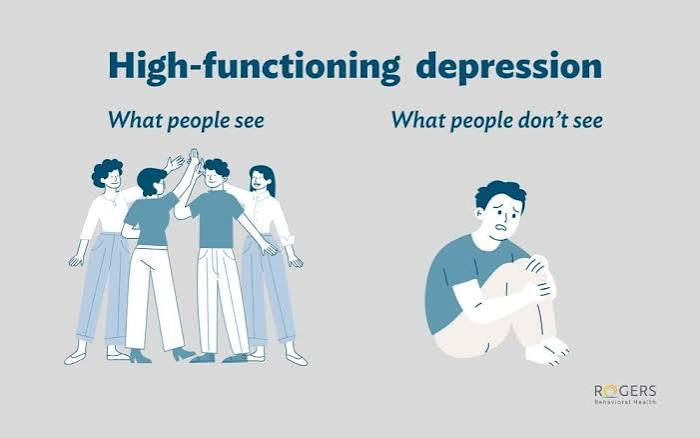
Psychological safety means an employee can admit they are struggling without fear of professional retaliation. From a clinical perspective, a lack of safety triggers a "threat response" in the brain. This results in "quiet burnout," where an employee appears productive but is internally teetering on collapse. Modern organizations are now training leaders to recognize the subtle clinical signs of distress—such as a flat affect in video calls or a sudden withdrawal from social collaboration—long before a crisis occurs.
Neuro-Inclusion as a Standard, Not a Specialty
In 2026, we understand that neurodiversity—including ADHD, Autism, and sensory processing differences—is a natural variation, not a deficit to be "fixed." With roughly one in five individuals identifying as neurodivergent, employees now expect workplaces to be designed for cognitive diversity.
This goes beyond simple accommodations. It involves creating sensory-friendly environments, offering asynchronous communication options to reduce "masking fatigue," and valuing results over rigid, standardized processes. When a workplace is neuro-inclusive, it reduces the immense cognitive load required for neurodivergent individuals to "fit in," allowing that mental energy to be redirected toward innovation and problem-solving.
Addressing the 'Wellbeing Grey Zone'
Historically, mental health support was reserved for those in acute crisis. Today, employees are focusing on the "Wellbeing Grey Zone"—that space where an individual isn't necessarily "ill" but is certainly not thriving. This group represents a significant portion of the workforce: the people who feel neutral, uninspired, or mildly overwhelmed.
Employers are now expected to provide resources that target this middle ground. This includes proactive mental health evaluations and access to psychotherapy that focuses on building resilience and emotional regulation. By addressing the grey zone, we prevent the "swing" toward clinical depression or generalized anxiety, maintaining a healthier, more stable workforce.
The Intersection of Career and Caregiving
A primary concern for many in our Bel Air community is how workplace stress affects the home. Parents and caregivers in 2026 are no longer willing to sacrifice their family’s mental health for a career. They expect employers to acknowledge the "caregiver's tax"—the invisible mental labor of managing a household while performing at work.
Clinically, when a parent is chronically stressed at work, it can lead to "second-hand stress" within the family unit, affecting children’s emotional development and school performance. Employers who offer flexible, family-centered care models and mental health benefits that extend to dependents are seeing higher loyalty and lower turnover. They recognize that a supported parent is a more focused and effective professional.
Proactive Technology and Cognitive Load
While 2026 has brought incredible technological advances, it has also introduced "Digital Exhaustion." The expectation of rapid-fire communication and the constant pings of professional platforms create a state of fragmented attention.
Employees are now looking for "Digital Boundaries" enforced by leadership. Clinically, the brain is not wired for perpetual multi-tasking; it requires periods of "deep work" and cognitive rest. Workplaces that prioritize focus over constant availability are protecting their employees from the long-term effects of cognitive overload, such as impaired memory and decreased executive function.
Practical Guidance: Moving Toward Sustainable Work
Managing your mental health in a professional context is not about "working harder" on your self-care; it is about setting structural boundaries.
Audit Your Cognitive Load: At the end of each week, identify which tasks left you feeling "drained" versus "challenged." If the drained column is consistently larger, it is time for a professional workload discussion.
Establish Communication Frameworks: Clearly define your "deep work" hours where notifications are silenced. Communicate these boundaries to your team as a tool for better output, not a lack of availability.
Identify Masking Behaviors: If you find yourself exhausted by the effort of "acting professional" or hiding your true emotional state, acknowledge the toll this takes on your nervous system.
Prioritize Professional Evaluation: Do not wait for a breakdown to seek an assessment. A clinical evaluation can provide clarity on whether your struggles are environmental, neurobiological, or a combination of both.
Professional Care & When to Seek Help
At Favor Mental Health, we believe that seeking support is a proactive strategy for a successful life, not a last resort. While workplace culture is evolving, it cannot replace the specialized care provided by licensed mental health professionals.
Clinical support is essential when workplace stress begins to interfere with your sleep, your relationships, or your ability to experience joy. Our team focuses on comprehensive evaluations to understand the root cause of your symptoms. Whether you need evidence-informed psychotherapy to navigate career transitions or medication management when clinically indicated, we provide a grounded, family-centered approach. Early intervention is the most effective way to protect your career and your long-term well-being.
Finding Clarity and Hope
The shift we see in 2026 is a positive one. By demanding more from our employers, we are collectively raising the standard for what a "healthy" life looks like. You do not have to navigate professional burnout or chronic anxiety alone. With 17 years of experience in the healthcare landscape, we are here to help you move from simply "coping" to truly thriving in every area of your life.
At Favor Mental Health, we provide comprehensive mental health evaluations, individualized treatment plans, psychotherapy, and medication management when clinically indicated.
📍 Favor Mental Health
Suite 9B, 260 Gateway Drive, Bel Air, MD 21014
📞 410-403-3299
If you or your family are experiencing mental health concerns, early support can make a meaningful difference.


Comments